

Community-centric marketing for responsible growth
“Stop chasing everyone. Start mattering to someone”: Why the future of responsible marketing is community-centric
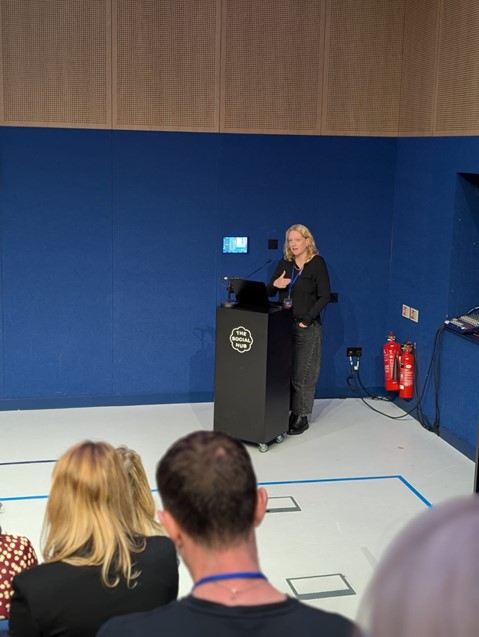
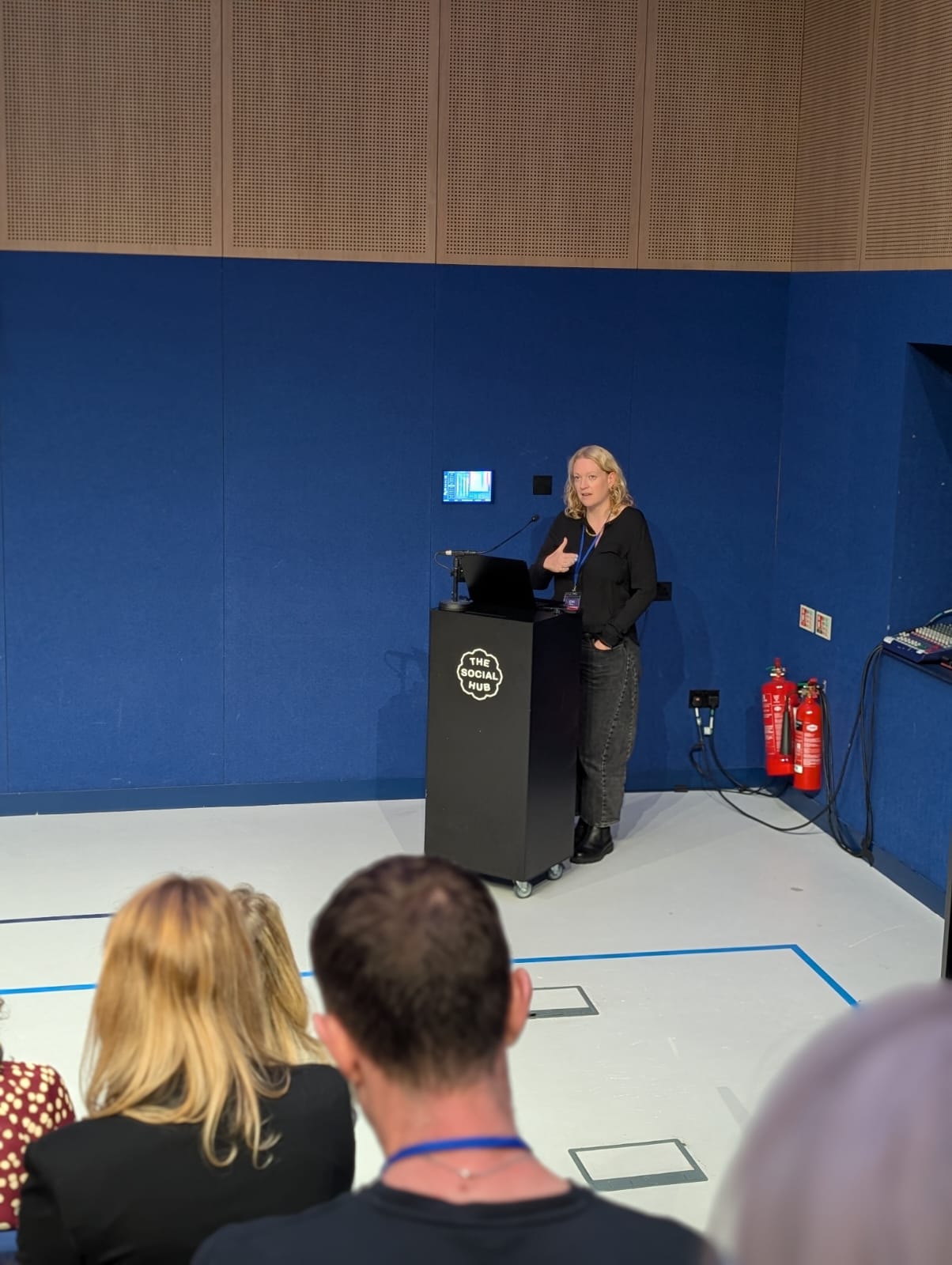
As pressure mounts on brands to deliver growth responsibly, marketers are increasingly asked to balance commercial returns with social value. Speaking at the CIM Scotland Conference in Glasgow, Alice Brady, Chief Strategy Officer at the Responsible Marketing Advisory (RMA), challenged one of the industry’s most persistent assumptions: that responsibility and commercial effectiveness are somehow mutually exclusive. Instead of seeing the two as competing forces, she urged marketers to recognise how closely they can work together.
RMA believe in “good growth”: creating value for people, planet and profit. Brady’s central message was clear. Community-centric planning makes marketing both more responsible and more effective.
The myth of choosing between responsibility and results
Brady began with a familiar scenario. Many marketers, she suggested, carve out a small portion of budget for what they consider “responsible” work: campaigns that feel purposeful, that win awards, that reassure us we’re doing something meaningful. But when economic pressure hits, that work is often the first to be cut.
“It’s a dangerous dichotomy,” she said. “There’s an implicit assumption that responsible comms and effective comms are mutually exclusive. Every pound spent on one can’t be spent on the other.”
Community-centricity challenges that idea. By placing responsibility at the heart of the strategy, not isolating it, brands no longer have to defend or justify responsible activity. “It’s all doing good,” Brady said. “And it’s all delivering fantastic business results.”
The attention crisis is not what it seems
Much of modern marketing is built on the belief that attention spans are shrinking as platforms multiply and content shortens.
But research tells a different story.
“We’re mistaking fragmentation for scattered attention,” she explained. Sustained attention performance in adults has actually shown a modest increase since the 1990s, and young people’s ability to concentrate has remained stable.
The shift isn’t a decline in focus - it’s a reallocation of where attention goes.
As Daniel Immerwahr writes: “Fragmentation, it turns out, yields subcultural depths. Siloes are not shallows.” People aren’t losing focus; they’re investing it in the things they love.
Over half of consumers’ free time is spent following personal interests. More than 40% of that time involves active engagement, such as researching, discussing, creating, and sharing.
Marketers haven’t lost people’s attention. It has migrated to communities. Brady described this shift as, “modern marketing needs lots of littles”, highlighting that trust is built through many small, consistent interactions rather than one-off campaigns.
Communities: where depth and meaning live
Communities are not just broad interest groups. They are real, self-organising clusters of people who share passions, identities, challenges or needs. They create norms, rituals, inside jokes, emotional support and common language.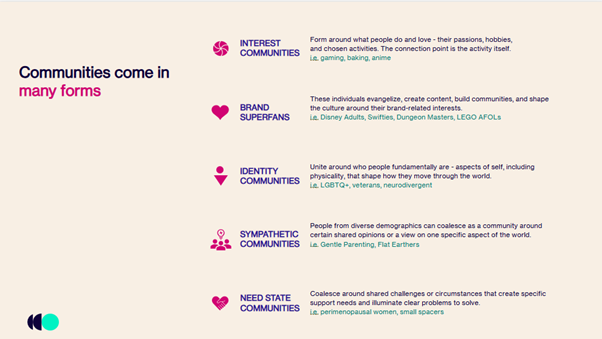
“It’s fundamental human nature to form communities,” Brady said. “To engage with others who share the things that matter to us.” Because communities are social and active, they are where meaningful attention lives.
Crucially, we rarely obsess alone. Deep engagement almost always happens with others.
Brands that champion communities see outsized results
Brady shared several examples of brands who embraced community-centric thinking and achieved impressive commercial impact.
Ziploc: supporting thrifters in a cost-of-living crisis
Ziploc identified a highly active couponing community who shared discount codes and thrift hacks. Instead of pushing traditional price promotions, Ziploc honoured expired food coupons when Ziploc bags were part of the shop.
Result: 4% sales uplift, 13% new shoppers and a 61% increase in share of voice.
Vaseline Verified: celebrating community creativity
When more than 3.5 million Vaseline “hack” posts surfaced online, the brand didn’t ignore them. It created Vaseline Verified, inviting users to submit hacks for scientific testing. The R&D team debunked myths and endorsed those that genuinely worked.
Impact: 43% sales increase in one month on TikTok shop, over 136 million social views, plus major awards including a Titanium Lion.
Dove Code My Crown: serving a niche and shifting culture
An initiative that provides game developers with the world's first comprehensive and free guide for coding diverse, true-to-life Black hair textures and protective styles in video games. 85% of Black gamers felt better represented, and brand loyalty among the broader Black community rose 32%.
Each example demonstrates the same principle: adding real value to real people creates both responsible impact and measurable business results. “We no longer have to choose between responsibility and effectiveness,” Brady stressed.
Five principles for community-centric, responsible marketing
Brady closed with a practical blueprint for adopting this approach.
- Find new ways to find your people
Communities reveal themselves through action: who shares, comments, creates, posts, and participates. Bottom-up discovery - from social listening to burner-account exploration - is essential.
- Immerse yourself, especially in “the edges”
Rich insights sit in the fringe conversations: the niche creators, off-platform forums, Discord servers, Reddit threads and sub-communities. Real-world immersion matters too – attending events, meeting community leaders, and hearing lived experiences first-hand.
- Ask: what value can we genuinely give?
Responsibility comes from contribution. Whether it’s solving a practical problem, supporting visibility, saving money or offering joy, value must be grounded in the community’s real needs.
- Don’t broadcast. Conversate and co-create.
Community-centric brands listen more than they speak. They reply to comments, elevate community voices, share the mic and treat UGC as collaboration. Vaseline Verified turned community creativity into brand assets - and even fed into product development.
- Measure resonance, not just reach
Reach still matters, but it’s achieved through the interest graph - many small engagements accumulating into big impact. New metrics such as “share of conversation” help capture depth, advocacy and cultural resonance.
Conclusion: responsible marketing begins with communities
For Brady, the lesson is simple. The brands winning today are not those chasing the broadest possible audience. They are the ones prioritising specific communities who care about what they offer.
“Responsible marketing in the modern era means adding value to communities,” she said.
Her closing message captured the shift perfectly:
“Stop chasing everyone. Start mattering to someone.”